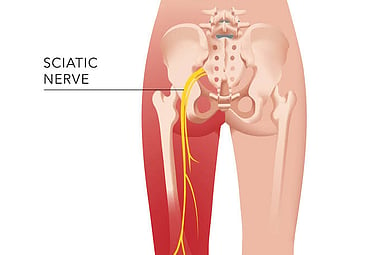
Note: Seek medical attention immediately if you have problems controlling your bladder or bowels, or if you have numbness in your genital or anal area.
Sciatica risk factors - Risk factors for sciatica include age-related spinal changes, obesity, prolonged sitting, and occupations involving heavy lifting or twisting.
Pregnancy, diabetes, and smoking can also increase the likelihood of nerve damage or inflammation, raising the risk of developing sciatica. Maintaining good posture and physical fitness helps reduce these risks.
Diabetes and smoking can increase the likelihood sciatica
Smoking - Smoking can significantly increase the risk of sciatica. It reduces blood flow to the spinal discs, leading to degeneration and inflammation, which increases pain generally and may compress the sciatic nerve. The likelihood of chronic low back pain and sciatica increased by 40% in smokers.
Additionally, smoking impairs the body's ability to heal, exacerbating nerve pain and prolonging recovery. Quitting smoking is crucial for spinal health and reducing sciatica risk. https://pmc.ncbi.nlm.nih.gov/articles/PMC1895638/ https://pubmed.ncbi.nlm.nih.gov/26403480/ https://pmc.ncbi.nlm.nih.gov/articles/PMC7532299/
Type 2 diabetes - Type 2 diabetes increases the risk of sciatica due to damage to the intervertebral discs, loss of bone in spinal vertebrae and high blood sugar levels damaging nerves, a condition known as diabetic neuropathy.
You can tell the difference between diabetic neuropathy and sciatica in a few ways. Diabetic neuropathy comes on slowly and is more generalised numbness and tingling starting usually in the feet.
Sciatica often comes on quickly due to the sciatic nerve being compressed and the pain can occur anywhere along the pathway of the nerve, usually in one leg only and can come and go.
Diabetic neuropathy must be treated by blood sugar management and lifestyle changes as soon as possible to reduce nerve damage.
A large study of national insurance data involving almost 1 million people in Korea, showed that Type 2 diabetes can increase the incidence of sciatica (radicular neuropathy) by nearly 18%. (see the third article there) https://pmc.ncbi.nlm.nih.gov/articles/PMC9186151/ https://pmc.ncbi.nlm.nih.gov/articles/PMC8363740/ https://www.nature.com/articles/s41598-021-95626-y
Aging and changes in the spine - Age-related changes in the spine, such as disc degeneration, spinal stenosis, and osteoarthritis, can increase the risk of sciatica.
These changes lead to reduced disc height and flexibility, potentially compressing the sciatic nerve and causing pain, tingling, or numbness in the lower back and legs. https://link.springer.com/article/10.1007/s00586-003-0593-0
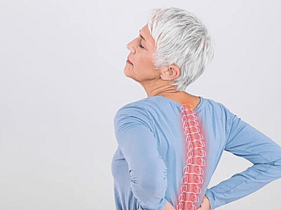
Obesity - Obesity increases the odds of sciatica by 40%. Due to increasing the strain on the lower back and spine, leading to disc degeneration and herniation.
Excess body weight can also cause inflammation and pressure on the sciatic nerve, resulting in pain, discomfort, and reduced mobility. Maintaining a healthy weight is crucial for spinal health and sciatica prevention. https://pmc.ncbi.nlm.nih.gov/articles/PMC6484005/ https://academic.oup.com/aje/article-abstract/179/8/929/108237?
Prolonged sitting - Prolonged sitting increases the risk of low back pain and sciatica by two to three times, and this is variable depending upon occupation.
This increase is probably due to putting continuous gravitational pressure on the lower spine and sciatic nerve. This can lead to muscle tightness, reduced circulation, and compression of the nerve. Over time, this pressure can cause pain, numbness, and tingling sensations in the back and down the leg.
Sciatica risk is also increased by whole body vibration such as sitting on vibrating heavy machinery for a large part of the work day.
Regular movement (every 30-45 minutes is recommended) and proper posture are key to prevention. https://pmc.ncbi.nlm.nih.gov/articles/PMC2200681/ https://www.frontiersin.org/journals/public-health/articles/10.3389
Repeated physical activities with heavy weight - Repeated physical activities involving heavy lifting using poor technique can increase the risk of sciatica by causing excessive strain on the lower back and spinal discs.
Good lifting technique includes warming up your body with some general large movements and deep breathing before beginning to lift heavy. It is important to stand in a balanced position on a stable surface with your weight balanced evenly between your two feet. Stay focussed on the task, bend your knees with your knee caps aligned over your second toe. Engage the gluteal (buttock muscles), the core (tummy muscles) and pelvic floor on the breath out, to help support the low back as effort goes into the lift.
If poor technique is used, such as bending the back forwards like a crane and/or twisting to one side then this type of strain can lead to disc herniation or degeneration, resulting in compression of the sciatic nerve and triggering pain, numbness, or weakness in the lower body and legs. https://pmc.ncbi.nlm.nih.gov/articles/PMC6484005/
Depression - The Cambridge University Press study of 104 individuals showed that 50% of people with sciatica will have depression.
74% of the individuals in this study had moderate to severe sciatic pain. Depression can also contribute to the risk of sciatica by increasing muscle tension and reducing physical activity, which may exacerbate lower back pain and lead to nerve compression.
RELATED — Depression Signs and Symptoms: Stop the downward spiral in time (Part 1) - Additionally, depression can heighten the perception of pain, making sciatica symptoms more severe and harder to manage, creating a cycle of discomfort and emotional distress.
https://pubmed.ncbi.nlm.nih.gov/23126320/ https://pubmed.ncbi.nlm.nih.gov/35603462/ https://www.cambridge.org/core/journals/european-psychiatry/art
Exposure to whole body vibration if overweight - Whole-body vibration, commonly experienced in jobs involving heavy machinery or prolonged vehicle use, can increase the risk of sciatica. Exposure to whole body vibration was associated with a doubling of the risk of Low Back Pain and/or sciatica
This vibration causes microtrauma to the spinal discs, leading to disc degeneration or herniation. Over time, these changes can compress the sciatic nerve, resulting in pain, numbness, and discomfort in the lower body. https://pmc.ncbi.nlm.nih.gov/articles/PMC6484005/ https://pubmed.ncbi.nlm.nih.gov/25142739/
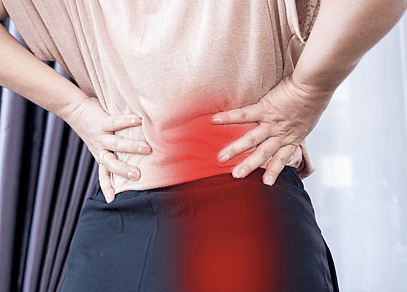
How osteopathy can assist and minimise sciatica pain
Osteopaths are trained to take a thorough medical history and perform the relevant orthopaedic and neurological testing to ascertain a diagnosis of sciatica.
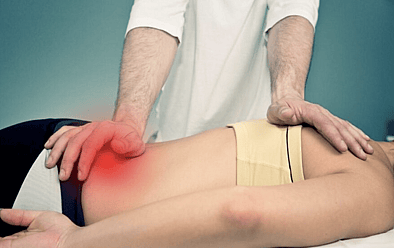
Osteopathy offers a holistic approach to the treatment of sciatica by addressing the root cause of nerve irritation and the overall balance of the body.
Using gentle, hands-on techniques to improve mobility, reduce pain, improve circulation and restore function, osteopaths focus on the musculoskeletal and nervous systems.
Key aspects of osteopathic treatment include assessing areas of tension or restriction that may contribute to sciatica, such as:
tight low back or gluteal muscles
spinal joint misalignment
postural imbalances
Treatment to enable greater ease in the pathway of the sciatic nerve can be very helpful at reducing leg pain quickly. Approaches such as:
soft tissue massage
gentle joint mobilisation
taking the local tissues into ease or stretching help to relieve pressure on the sciatic nerve
Gentle traction of the spine
Cranial or biodynamic osteopathy may also be used to decompress the lower lumbar nerves and encourage the body’s natural healing processes.
In addition to hands-on treatment, osteopaths provide personalised advice on lifestyle, ergonomics, and exercises to support recovery and prevent recurrence. Careful core strengthening, improved posture, and gentle stretches can help maintain spinal health and reduce sciatic symptoms.
Osteopathic care is particularly beneficial for individuals seeking a non-invasive, drug-free option for managing sciatica. By addressing the interconnected systems of the body, osteopathy aims to not only alleviate pain but also enhance overall well-being.
Osteopathy aims to alleviate pain and also enhance overall wellbeing
It is essential to work closely with a registered osteopath to develop an individualised care plan for effective, long-lasting relief.
What to do to reduce recurrence of sciatica (management and self-care tips)
To reduce sciatica recurrence, maintain strong core and back muscles through regular exercise and appropriate stretching. Practice good posture and ergonomic habits, especially when sitting or lifting. Maintain a healthy weight to reduce spinal strain. Avoid prolonged inactivity, quit smoking, and address underlying conditions like diabetes to support nerve health.
Avoid long periods of sitting - Sit for a maximum of 30-40 minutes before getting up and moving for a couple of minutes. At your desk you may be able to fit in a plank, downward dog, child's pose, some squats, deep breathing or go for a couple of minutes walk and breathe deeply.
https://pmc.ncbi.nlm.nih.gov/articles/PMC2200681/#Sec6
Avoid heavy lifting - Use careful lifting technique so your buttock muscles and legs are doing most of the work. Breathing out and engaging your pelvic floor and core muscles is also helpful at reducing compression in the spine.
https://pmc.ncbi.nlm.nih.gov/articles/PMC6484005/
Avoid wearing high heels - Wearing high heels can contribute to sciatica by reducing the shock absorbing function of the foot and contributing to extra strain on the lower back, which may lead to nerve compression. To reduce this risk, opt for supportive, mobile soled shoes and limit high heel use.
https://pmc.ncbi.nlm.nih.gov/articles/PMC3206568/#s0030
Cold and heat therapy - Cold Therapy (Cryotherapy) Mechanism: Reduces blood flow by vasoconstriction, thereby decreasing inflammation, swelling, and pain.
Studies support cold therapy in the acute phase of low back injuries or sciatica (especially within the first 48–72 hours).
A 2020 review in Pain Management found cold packs reduced pain intensity and improved mobility in acute LBP cases. Cold can also help numb nerve irritation, which is especially relevant for radicular pain like sciatica.
On the other hand, heat therapy increases blood flow via vasodilation, reduces muscle tension, improves tissue elasticity, and promotes relaxation. We can use a wheat pack, hot water bottle, warm shower, bath or sauna.
A 2021 Cochrane Review concluded that superficial heat can be moderately effective for short-term pain relief in LBP. For chronic sciatica, heat may help relax paraspinal and gluteal muscles, easing pressure on the nerve.
https://pmc.ncbi.nlm.nih.gov/articles/PMC8401625/
Acupuncture - Acupuncture can ease sciatica by stimulating specific points along the body's meridians, promoting the release of natural pain-relieving chemicals like endorphins.
This technique helps reduce inflammation, improve blood flow, and alleviate pressure on the sciatic nerve, providing relief from pain and discomfort associated with sciatica.
https://pmc.ncbi.nlm.nih.gov/articles/PMC9114849/#s3
Pilates and exercise - Pilates and other graded active exercises help reduce chronic low back pain by strengthening core muscles, improving posture, and enhancing flexibility.
These exercises promote body awareness, spinal stability, reduce muscle tension, and increase endurance, which can alleviate pain and prevent future episodes, supporting long-term back health and mobility.
https://pmc.ncbi.nlm.nih.gov/articles/PMC10218154/#sec4-healthc

Nutrition - Poor nutrition has been shown to increase the experience of long term pain.
Excess sugar contributes to inflammation in the body and as has been shown with diabetes type 2, increased damage to the intervertebral discs, loss of bone in spinal vertebrae and high blood sugar levels damaging nerves. Eating a fresh, whole food diet is associated with better energy, improved mood, quality sleep and a reduction in chronic pain.
RELATED — Diet and the Brain: Our brain on sugar
https://pmc.ncbi.nlm.nih.gov/articles/PMC9571356/#sec3-jcm-11-0 https://www.abs.gov.au/statistics/health/health-conditions-and-ris
Hydrotherapy - Walking in a hydrotherapy pool or aquajogging in a swimming pool reduces lower back compression by relieving pressure on the spine through buoyancy.
This low-impact exercise improves circulation, strengthens core muscles, and alleviates sciatic nerve pain, promoting overall spinal health and easing discomfort associated with sciatica.
https://pmc.ncbi.nlm.nih.gov/articles/PMC8742191/#H1-5-ZOI2111
Related Questions
1. What sleeping positions are most recommended when dealing with a sciatica flare-up?
Sleeping on your side with a pillow between your knees, will assist with sciatica. Another position is sleeping on your back with a pillow under your knees.
2. Do kneeling chairs help with sciatica?
Kneeling chairs can help by tilting the pelvis slightly forwards and enhancing the lumbar lordosis (anterior curve). This can help take pressure off a posterior disc bulge and provide relief.
3. What exercises should be avoided when dealing with sciatica?
Bending forwards from the back with the legs straight and under load is not advised.
Bending forward and twisting can increase a disc protrusion. Core exercises where the legs are lifted and the back is not able to be kept stable can aggravate an already irritable disc.
Running or jumping can also aggravate. Walking on hills or uneven surfaces can aggravate sciatica, so walking on the flat is advised.
With the right lifestyle changes and careful rehabilitation including appropriate strengthening under the guidance of a well trained healthcare professional, the body has a remarkable ability to recover these movements.
If you have just joined us, we suggest reading the first part to this article.
RELATED — What is Sciatica and how osteopathy can alleviate it? (Part 1)

For more information about the author Melanie, click here