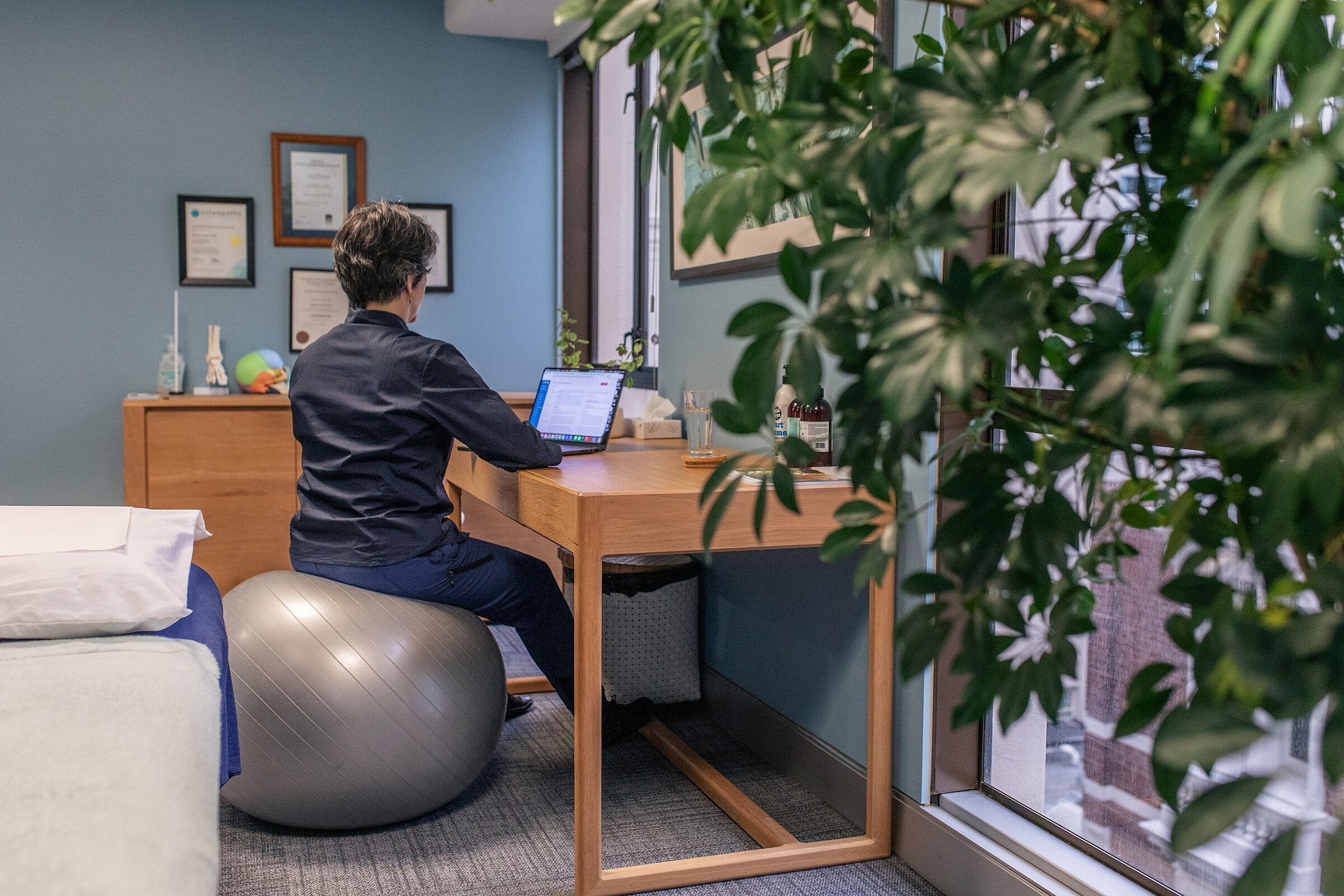
Movement is an essential part of living a healthy life. Research is clear that regular exercise improves our mood, reduces heart disease, lowers blood pressure, strengthens bones and muscles, improves sleep quality and lowers overall disease risk. Finding the kind of exercise you enjoy, means you are more likely to do it often. For many people, having a personal trainer is key to getting the exercise done well and on a regular basis. This is why City Osteopaths now has a boutique gym and personal trainer to help you achieve that with 1:1 focussed attention.
Our muscles and bones constantly produce molecules which communicate to the rest of our body via the bloodstream. These chemical messages travel from your muscle and bone to all your organs, including your brain and gut, to support, regulate and guide how your body functions.
Active muscle absorbs glucose/sugar from your bloodstream and stores it as energy helping maintain healthy blood sugar levels and insulin sensitivity (reducing the odds of getting diabetes). It generates energy and burns fat. Muscle activity also reduces inflammation - protecting your organs and your bones, reducing damage and slowing aging.
Among the chemicals released by contracting muscle are myokines, which have been referred to as ‘hope molecules’. These small proteins travel to the brain, cross the blood-brain barrier and act as an antidepressant. They do this by improving our mood, our ability to learn and protect the brain from the negative effects of aging. Myokines are not solely responsible for feeling good: exercise also releases neurotransmitters such as dopamine, noradrenaline and serotonin that have positive effects on our brains.
We also need to be sure to give our muscles sufficient stimulation to kickstart and maintain muscle making progress. The recipe for doing this is a combination of heavier weight training, high speed movement and impact in the form of jumping and sprint interval training and enough protein in our diet to optimise muscle building. The pathways from brain to muscle need to be stimulated so we can get more muscle fibres firing together. One study that included younger and older women, found that heavy lifting had a more pronounced effect on muscle gene expression among the older participants, especially those in the 70s and 80s. So it's never too late!
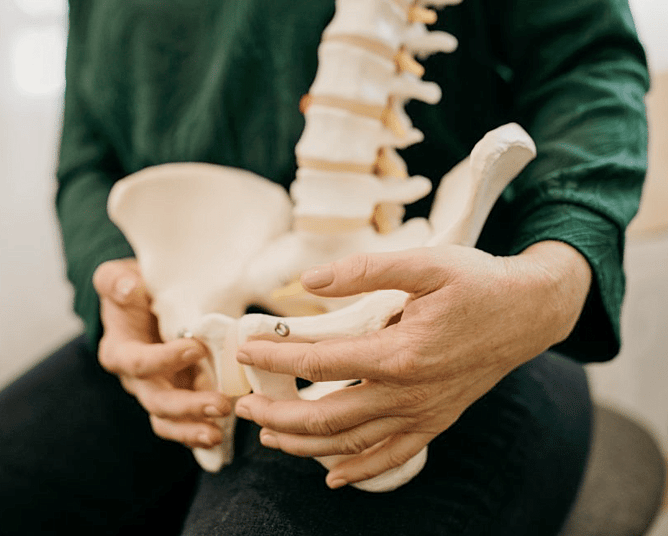
Bones are dynamic living tissues, providing essential supplies to the rest of our body. Our bones are a storehouse for our body's mineral supply to buffer our blood when it’s too acidic and also build and repair our bone structure. Our bone marrow inside the long bones makes all our immune cells and these then travel to our lymph nodes and spleen to fight infection. So our bones help keep us well! Bones also make proteins that help to regulate insulin sensitivity and they send chemical messages to our brains that we are full when we have eaten. From the top of our skull to the tips of our toes our bones are ever present and essential. What better highway for body wide communication?
Dr Andrew Taylor Still who discovered Osteopathy over 150 years ago, named osteopathy by combining the Greek words osteo (bone) and pathos (pathway or suffering), because he viewed the bone as the starting point to trace the mechanical causes of illness. He said ‘You start with the bones’ and it's clear that if our bones are fractured or not healthy, it affects our overall health in a serious way. He believed that proper alignment of the musculoskeletal system allowed the body to function correctly as it allows improved blood supply, nerve supply, plus venous and lymphatic drainage and this has been proven clinically.
We need healthy bones for many reasons and Osteocalcin is a hormone secreted by bone cells called osteoblasts which are responsible for many functions including building bone. Osteocalcin binds calcium and helps build strong, fracture-resistant bones. Osteocalcin also acts as a hormone that signals the pancreas to produce more insulin and helps fat and muscle tissues respond better to insulin. It crosses the blood-brain barrier to support improved brain function. It helps with energy production in your muscles so you can move faster and feel better.
We must pay attention to our bones - women reach peak bone mass in their late 20s and for some people, it can be all downhill from there. Women have smaller and thinner bones as well as less muscle mass than men. Women hit a steep decline of muscle mass at menopause due to the loss of Estrogen and this can lead to osteoporosis which increases the likelihood of fractures. I have seen women in their late 20s with osteoporosis due to poor nutrition as a child and/or genetic or endocrine issues. Their health is a real struggle. Strong bones are a vital foundation for your body’s health as you age and exercise is essential to help you achieve that.
Six months of resistance training maintains and can even slightly improve bone density in midlife women. As a bonus, regular resistance training (using weights) may reduce death from heart disease in women by 30%.
It is quite remarkable how movement and regular exercise can improve the health of our whole body, slow the aging process and also make us feel better.
References:
Structural and Metabolic Changes in Bone Pub med 2022 https://pmc.ncbi.nlm.nih.gov/articles/PMC9367262/
Bone metabolism – an underappreciated playerhttps://www.nature.com/articles/s44324-024-00010-9#Sec16
https://www.bmgrp.com/sclerostin-decreases-through-exercise-and-omega-3s/
‘Unbreakable - A Women’s Guide To Aging With Power’ Dr Vonda Wright https://jamanetwork.com/journals/jama/article-abstract/2815858
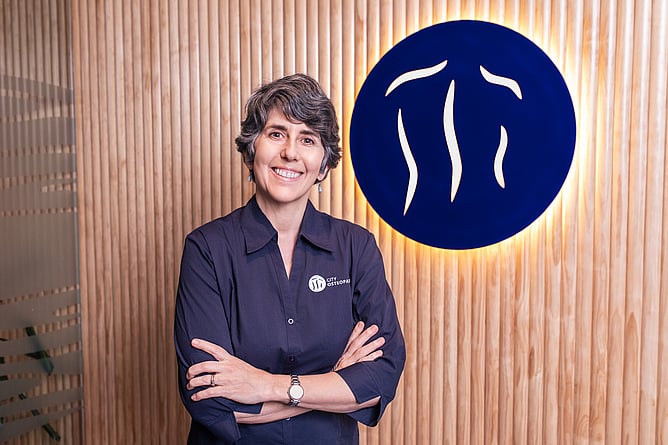
For more information about the author Melanie, click here