What does an osteopath even do?
We get it. Lots of people don’t really know exactly what we do. It doesn’t help that our name is a massive misnomer, a relic of the past where bony “alignment” was emphasised far more than what we know to be useful today.
In medical terms, Osteo = bones. Path = disease. Therefore, it sounds like osteopaths treat diseases of bones... however the name actually came from Dr Andrew Taylor Still who developed Osteopathy in Mid- West America over 150 years ago, he recognised the significant importance of healthy bones and alignment for health, so called it Osteopathy...as you start with the bones. (And then get on with sorting out the rest of the body!)
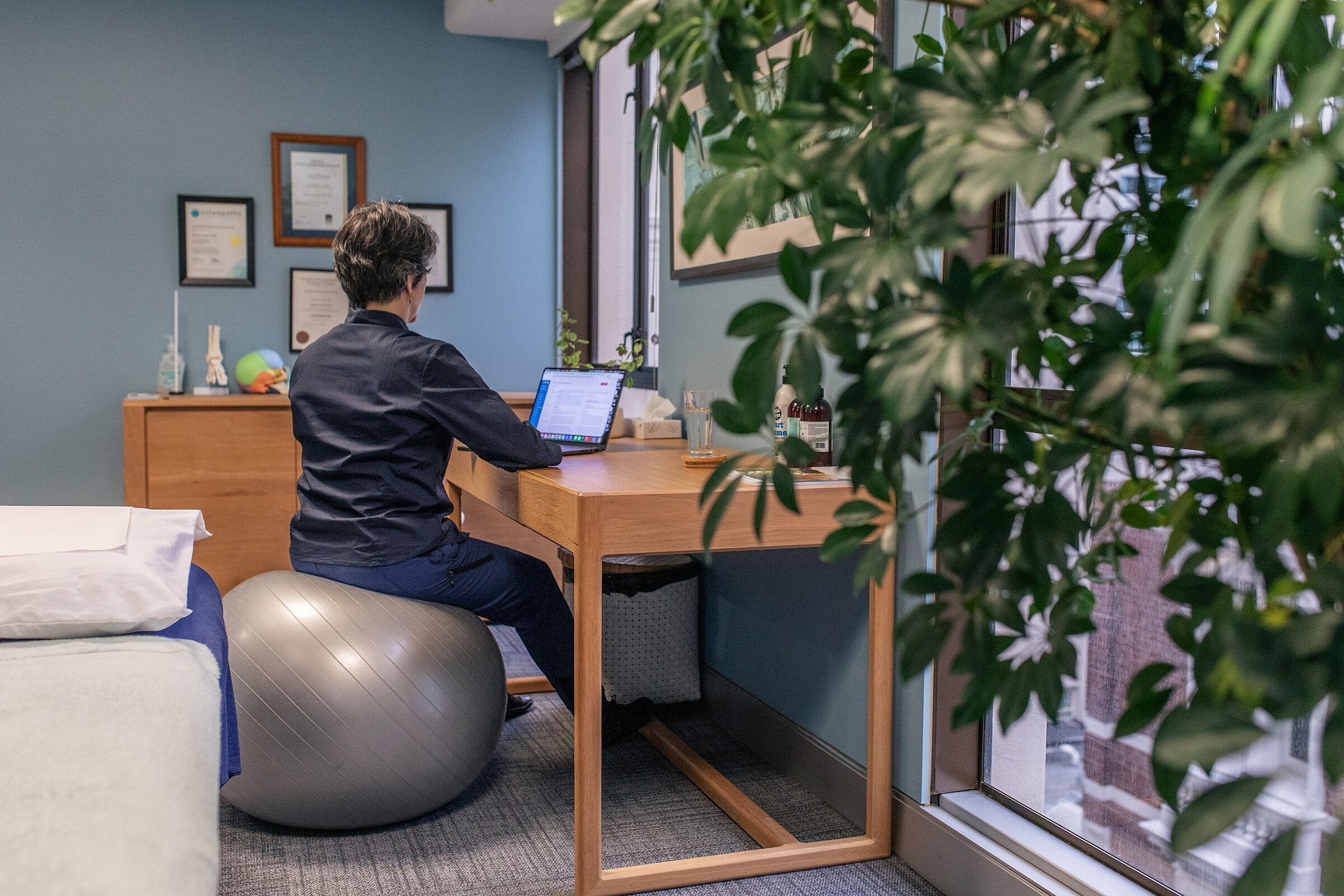
An osteopath can be seen as a non-pharmaceutical GP. We are University trained manual healthcare practitioners so we diagnose though taking a medical history and referring for tests, much like a medical doctor, however instead of prescribing pills, we use our skilled hands-on approaches to further asses what is going on and then work to remove the impediments to your body recovering.
Our brief job description is simple. We assess, diagnose, treat and rehabilitate conditions of the human body, in particular, the musculoskeletal system. We do this in an allied health setting, with input from other healthcare professionals such as GP’s, specialists, podiatrists, OT's, psychologists, personal trainers and so on.
Many osteopaths will predominantly deal with musculoskeletal issues such as low back pain, neck pain, headaches, jaw pain, sports injuries etc. Some osteopaths have trained in treatment of other conditions such as concussion, autoimmune conditions, bowel issues or fertility.
A typical appointment with an osteopath will include a thorough discussion about your condition, your concerns and your health goals. The osteopath will ask questions about your past and current health, injuries, work habits or other relevant health related topics such as nutrition or exercise.
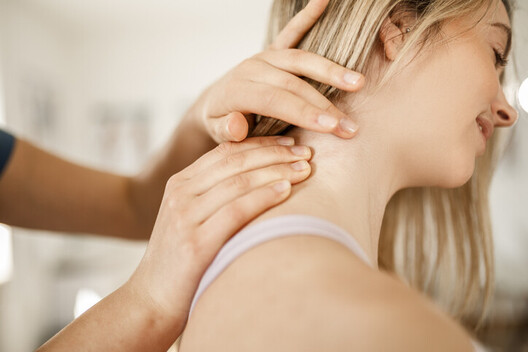
Following this, the osteopath will assess the area of pain or dysfunction. This might include getting you to move in a specific way, palpating/feeling the muscles, fascia and more to see whether things are moving and functioning properly.
The osteopath at this stage will have a working diagnosis of your condition, and will inform you of what seems to be causing the problem. If the problem is something that the osteopath can confidently treat, they will check they have your consent to treat. If the osteopath believes that your condition is being caused by something non-musculoskeletal or more serious (such as infection, fracture etc.), they will refer you for an X-ray or Ultra sound scan or to an appropriate practitioner such as a GP or specialist.
Treatment will vary between patients, because each individual body is different, and each presentation of a condition is different. Some patients respond well to gentle treatment, such as cranial or biodynamic osteopathic approaches, or gentle stretching, whereas others will do better with stronger techniques such as deep tissue massage, manipulation (cracking) or active stretching.
Osteopaths are very likely to give you specific advice around things like posture, breathing and exercises for your body to help you do what you need to do to support and maintain progress as we help you back to health.
So, osteopaths are manual therapists with a dodgy name. No, it’s not just bones. We deal with injuries, we deal with pain, we deal with rehabilitation and we deal with you as a whole person.
All Osteopaths in Australia and New Zealand are Allied Health practitioners. In NZ we are governed by the Osteopathic Council and are registered under the Health Practitioners Competency Act of 2003. Osteopaths work with, not against GP’s. Osteopaths refer to other medical professionals when necessary and indicated.
Osteopaths provide patient centred care. This can only happen with a team care approach – so we want GP’s and their medical expertise on board!
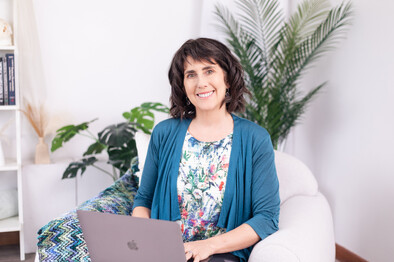
To find out more about the author Melanie, click here