
What is a concussion
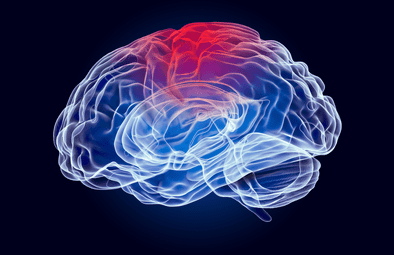
Concussion is a temporary functional dysfunction in the brain cells. There is very little, if any, structural damage to the brain.
What happens in a concussion
The functional dysfunction happens as a result of stretching and shearing in the brain cells. It was thought that the brain got damaged due to coup - countercoup injury, meaning that the brain was sloshing around in the skull, first hitting one end and then bouncing back to hit the other. What the science says today is that there is actually very little, if any, structural damage to the brain, but the moving back and forth causes different parts of the brain to accelerate and decelerate at different paces, causing stretching and sheering in the tissues.
As a result of this stretching and shearing, the ion channels in the nerve cells are stretched open, and ions flood in and out of the cell, causing it to fire off and give “the message” on to the next cell starting a cascade of perceived information in the brain causing the immediate symptoms. This is called the excitatory phase, and it lasts only a minute or two.
Calcium ions also flood into the cell ultimately entering the mitochondria, the power plants of the cells, causing oxidative stress and making the energy production nine times less efficient, leading to energy deficit.
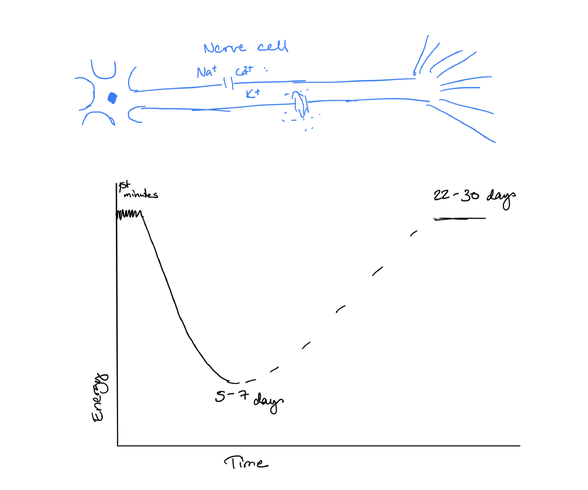
Getting the ions back to their normal sides of the cell membrane requires energy from the mitochondria, and this discrepancy in energy produced vs. demanded creates an energy crisis in the cells.
Added to this, these changes cause the autonomic nervous system (your fight/flight - rest/digest nervous system; governing the heart, blood vessels, digestion etc.) to dysfunction which leads to further symptoms and neurometabolic cascades in the body, leading to inflammation in the gut, among other effects.
In addition to having functional injury in the brain, whiplash often accompanies a concussion, leading to neck pain and tension headaches, sometimes even dizziness.
In the next phase, the spreading depression phase (not to be confused with mental depression) the body needs to deal with this energy discrepancy and start slowly repairing it. It takes the body around 22-30 days to restore energy to its normal levels. During this time you can experience symptoms like
low grade headaches
light headedness
poor attention/concentration
memory dysfunction
easy fatiguability
irritability
sensitivity to light and noises
anxiety/depressed mood
sleep disturbances (sleeping more or less than normal).
The secondary effects
The effects of the above are, among other things, disruption of cellular function, free radical damage, changes in blood flow, and inflammation as well as autonomic dysfunction. Also, some hormones may be affected (eg. can cause irregularities in menstruation for women).
What can be done
Rest is no longer recommended (provided that you are not in hospital with some more serious injuries). Instead, symptom limited cognitive and physical activity is recommended for the first 24-48h. Do some light reading, watch some series etc. as long as it doesn’t increase the symptoms. Plenty of rest in between is also encouraged. After a couple of days you can start increasing the tasks requiring concentration.
For physical activity, start with light walks and household chores that don’t provoke the symptoms severely and don’t put you at risk of hitting your head again.
Healthy diet and adequate hydration reduce the inflammation in the gut helping to reduce overall inflammation and calm down some of the symptoms.
Focus on your sleep hygiene as getting quality sleep will help your body to heal.
Try to see a well trained concussion professional within 4-7 days of the injury to get individual advice and get started on a rehab programme.
Take home points
All of this may sound scary, but I want you to know, that the changes are temporary. Positive mindset, knowing that it won’t last forever is important.
Start with the basics: healthy diet of whole foods and adequate hydration; good sleep; and taking care of your nervous system (eg. stress relief, vagus nerve exercises).
The physiological healing period can take longer than it takes for the clinical symptoms to disappear. So be sure to stay away from activities where you could bump your head again for at least 3-4 weeks after the injury, regardless of symptoms or lack thereof.
See your healthcare practitioner as soon as possible; research has shown time and time again that the people with the best prognosis are those who were seen by a well trained professional as soon as possible.
To find out more about author Venla, click here.