City Osteopaths Wellington | Osteopath Wellington | Chiropractor Wellington | Homoeopath Wellington | Acupuncture Wellington | Natural Medicine Wellington | Alexander Technique Wellington | Wellington Osteopaths | Osteopaths Wellington | Osteopathic Clini
  • Home
  • About
    • Our Mission
    • Appointments & Fees
    • How We Work as a Team
  • Osteopathy
    • Our Osteopathic Team
    • What to Expect
    • More Information and Research on Osteopathy
    • Useful Links & Resources
  • Acupuncture
  • Hyperbaric
  • Alexander Technique
  • Massage
  • Naturopathy
  • Blog
  • Contact

Golfing injury or want to improve your golfing performance? City Osteopaths can help.

12/9/2018

0 Comments

 
Athletic performance in golf seems to get little consideration outside of the professional game. You wouldn’t play rugby or cricket without training to improve athletic performance, so why do people do so with golf? All too often the only warm up a golfer will do before they hit the ball, is carrying their clubs to the first tee!

As well as having the correct equipment and the correct technique, the golfer needs their body to have the correct mobility and stability, to create the movement necessary for a successful golf swing.  When a golfer plays without the necessary physical preparation, they invite injury and don’t play to their full potential.

Common golfing injuries include:​

  • Lower back pain
  • Golfers elbow
  • Shoulder / rotator cuff injury
  • Knee pain
Picture
​At City Osteopaths we use NG360°, the Nike Golf Performance System.  This is a scientific process of analysis and training that enables us to enhance athleticism and performance of golfers at all skill levels. This process, coupled with osteopathic principles and techniques, are a potent force for creating success on the golf course.
Picture
We offer a unique and effective approach to treating golfers. This includes:​

  • Providing an accurate diagnosis of any golfing injuries
  • Performing specialist mobility assessment to understand areas of the swing for potential for improvement
  • Providing effective hands on treatment to improve mobility and help injured tissues heal
  • Prescribe a personalised exercise program to help golfers recover from injury, remain injury free and play better golf
Picture
Picture
Written by Lewis Jenner M.Ost., FAFS, Reg Osteopath MONZ ​
See Lewis for:
​- Sporting injuries and exercise advice - Foot, ankle, knee and hip injuries
- Shoulder injuries
- Restrictions and mobility problems

Phone 04 4991439 and speak with one of our reception staff to make an appointment.
Our website www.cityosteopaths.co.nz has more information and online booking link.
​

0 Comments

City Osteopaths can help with your running injuries

11/10/2018

0 Comments

 
​Summer is around the corner and many Wellingtonians are back on the road, getting the miles under their belts.  Unfortunately, some keen runners are dogged by injuries, that either limit their progress or stop them running completely.   In some unfortunate cases, these running related injuries can affect you when you are simply walking, or going about your daily lives.  
Picture
Common running injuries include:
  • Runners knee
  • Achilles tendonitis
  • Hamstring strains
  • Plantar fasciitis
  • Shin splints
  • Iliotibial band Syndrome (ITBS)

A pattern that we often see with our patients is that just as they start running and begin to make progress, then injury strikes.  So, they ease off or even stop running completely and the pain goes away.  Then, when you feel able to run again and increase your mileage, the pain comes back.  Sound familiar?...

At City Osteopaths, we offer a unique and effective approach to resolving running injuries.  This includes:
  • Providing an accurate diagnosis
  • Performing specialist functional movement assessment to understand the root cause of your injury
  • Providing effective hands on treatment to help injured tissues heal
  • Prescribing personalised exercise programs to help patients recover from injury, remain injury free and become better runners.

One unique aspect of our approach at City Osteopaths, that sets us apart from other clinics, is our accurate understanding of human function and running gait mechanics, as they relate to the whole body, not just the legs.  This is the result of specialist training undertaken at the Gray Institute in the USA, with some of the worlds leading specialists in injury prevention and rehabilitation.  We assess your top-to-toe movement, which enables us to get to the root of the problem.

Our goal at City Osteopaths is to:
  • Diagnose and resolve patients running injuries
  • Provide a management plan to help you remain injury free
  • Enable you to become better runners!
 
A wise person once said “When you want to look for a problem, you need to know where to look…”

Come and see us at City Osteopaths, to let us help make you a better runner

Picture
Written by Lewis Jenner M.Ost., FAFS, Reg Osteopath MONZ ​
See Lewis for:
  • - Sporting injuries and exercise advice
- Foot, ankle, knee and hip injuries
- Shoulder injuries
- Restrictions and mobility problems

Phone 04 4991439 and speak with one of our reception staff to make an appointment.
Our website www.cityosteopaths.co.nz has more information and online booking link.


0 Comments

Sore back? Help is available at City Osteopaths in Wellington

4/17/2018

0 Comments

 
​This short video is very relevant considering the high rate of back pain, 60-80% of the general population will suffer back pain at some time in their lives. The incidence is highest in the 45-54 years old age group. 

Would you like to know more about the causes of back pain?

Things that contribute to the likelyhood of back pain are: 
Poor health and nutrition
Increasing Age
Marked scoliosis
Reduced fitness
Loss of hamstring flexibility
Smoking
Psychological problems including Tension, Stress, Anxiety, Fear, Resentment and Depression
Drug abuse
Headaches
Neck pain
Leg discomfort
Stomach pains
Obesity
Poor quality of sleep
Excessive sitting
Pregnancy and caring for small children

For LBP in children (incidence 20-50%)
Too much TV
Competitive sports
Loss of hamstring flexibility
Birth strains and congenital anomalies which are problems a baby may be born with
Failure to receive appropriate treatment in growing years.

There are often many causes for the pain in your back and Osteopaths are even better trained than most medical doctors to figure out what has gone wrong, give you advice and treat appropriately so that most of the time your pain goes away quickly and you can avoid long term back pain, injections or surgery.

Osteopaths study for five years full-time at university to become very much a doctor of the musculoskeletal system. We study anatomy in great detail, along with physiology which is about how the body functions. We are trained to take a medical history, perform physical and osteopathic examination, appropriate orthopaedic and neurological tests and refer for x-rays to help us come up with a list of possible causes for your problem. Its always preferable when the cause of your pain is something we can treat and that is the case most of the time. When the cause is something else, we refer appropriately.
Picture
All our practitioners are trained to look for the CAUSE of the problem and fix that rather than recommend long term use of pain killers or antinflammatories to mask the pain which left untreated, has a tendency to get worse.

Why is it called Osteopathy? Well Dr AT Still who discovered osteopathy in the late 1800's in America said "You start with the bones". But its only a start and osteopaths look not only at your bones but muscles, ligaments, tendons, fascia, nerves, arteries, lymphatics and viscera. We look at your posture, your body type and your illness and accident history. We basically check you out from top to toe!
Picture
Example of a short lever manipulation of the lumbar spine
How do we fix things? Well, osteopaths have a wide range of technique approaches from the very gentle such as cranial which can be used on a new born baby, through functional, fascial, balanced ligamentous tension, muscle energy technique, GOT, and short lever manipulation. Osteopaths are known for their gentle approach, using only as much force as necessary to achieve a result. In a hip, knee or foot problem the cause may be coming from the muscles, ligaments, bones or discs of the back and once the nerve and blood supply are improved, the hip, knee or foot are healthy and pain free again. So often I hear "Oh it's just me getting old" (they are 45!) our treatment works wonders by getting the body functioning as its designed to.

Cranial osteopathy is very useful in trauma, for example where a fall has sprained the ligaments of the back and normal movement and exercise have been limited for many years due to pain,  a skilled osteopath is able to gently remove the strain and help restore normal function. Its not uncommon to treat an injury that has been there many years and back and hip discomfort ease away. 
Picture
If you have had an accident within the last year, there is no need to see your doctor, our Reg. Osteopaths can put you on ACC to cover treatment for osteopathy and also for acupuncture. ACC data from 2001-2017 covering around a half a million claims, shows that Osteopathy gets people better in half the number of treatments compared to Physiotherapists or Chiropractors. The average number of treatments required is 3 for Osteopaths vs 5-6 for Physios and Chiropractors.

Everyone's back problem is unique and will require a unique solution. That is why we have many skilled practitioners, with over 100 years combined clinical experience, all working together at City Osteopaths. We work with you to educate you about the CAUSE of your back pain and what you can do to help get yourself pain free and stay that way. We want to help you quickly back to health so you can get back to enjoying life, with long lasting results.
Picture
Melanie Young
B.A., BSc.(Clin Sc.) B.Osteo Sc. MONZ
Reg Osteopath
​Director City Osteopaths
Wellington
​New Zealand

​Phone 04 4991439

http://www.cityosteopaths.co.nz

0 Comments

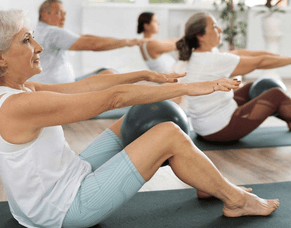
How to get moving and keep fit and mobile as you get older

5/14/2017

0 Comments

 
Picture
This picture is of Man Kaur, from India. In April she won the 100m at the World Masters Games in Auckland, 101 years young. 
The purpose of this article is to educate, promote quality therapy, but most importantly to inspire activity and quality movement. 


Educate
There is one aspect of life that all of us will go through which is ageing. Whether we like it or not we will all physically deteriorate with age. But what can we do about it? Sit back and accept fate with declining health, or be proactive in maintaining the strength and mobility we have…

'I've got creaky knees, my back is a bit stiff, reaching down to put my shoes on is so hard … it must be old age'. As a practitioner, I've heard them all. It's the age old excuse. Some of these complaints are justified, but many of the clients I have come across in both the gym and massage therapy setting will reluctantly admit they just haven't prioritised being active enough. The old adage 'use it or lose it', remains very true. Strength and joint mobility will decrease with age, they will also deteriorate through lack of use. Moving joints can help to increase synovial fluid to the joint capsule and this will keep the joint moving smoothly. Movement will also help the surrounding soft tissues remain both strong and flexible. This is why we need to feel the urge to stretch when we get out of bed, or standing up from prolonged sitting. The soft tissues in our body adapt to a particular position, the stretching is our body trying to prepare these soft tissues for movement. 
Staying mobile and strong is important for more than just being able to tie your shoes and get up the stairs. Being active is linked with decrease chances of mortality. The study by Brito et. al. (2012) assessed 2002 adults aged 51-80 on their ability to move from standing to sitting on the floor and back up to standing again. The people who could stand and sit with ease lived longer. The test can be found here http://journals.sagepub.com/doi/abs/10.1177/2047487312471759
This test is not 100% accurate in telling you when you will die. There are many factors involved in how long you shall live. But the theme of being stronger and more mobile leading to living longer is what I and the authors are trying to emphasise. If you can move better, you are more independent, you are also more likely to exercise. This can help decrease cardiac risk factors, as well as help maintain a healthy weight, which will further reduce many mortality factors. 
There are other factors that will limit your performance in a sit to stand test such as lower limb joint replacement, arthritis, neurological disease, other joint surgeries may also limit your joint range making sitting on the floor difficult. So don't panic if you have co-morbidities that will cause you to score poorly in a test like this.  
Picture
Promote quality therapy
“I'm stiff, sore and don't move with ease, what should I do about it?”. For many people the answer is simply to move more. Move more often, move for leisure, move for exercise, move to break up the monotony of prolonged sitting. If you want some advice on how to move well I have the training and experience to help instruct you. You may require more strength, more mobility, more balance, or a combination of all three. Understanding your weaknesses is the first step to improvement. 

Massage therapy can also play a role in improving movement. Massage can help increase range of motion by releasing tightness in muscle and soft tissue, or minimising the referred pain that tight muscles can cause to a joint. The increased movement around the joint will make it easier to train for strength and balance, this will lead to fewer compensations (such as limping). 

Articulation (movement) of the joint will help to keep the fluid of the joint healthy and nourished. 

​Regular stretching will also help you stay mobile and injury free. Stretching is more effective when designed specific for your needs. If you need help with this, I am more than happy to shed some light on this complicated and sometimes controversial topic.

Picture
Inspire
Movement is important for all ages, the longer you neglect it, the harder it is to get back. Age should not be a barrier for activity, getting out as part of a team may make it more fun. 

28,676 people competed in the World Masters games in Sydney in 2009. The age categories go all the way up to 100 and over age group. If Man Kaur can do it at 101, so can you. That is of course if the threat of increased mortality hasn't already got you out of your chair!

References
Buckwalter JA. Osteoarthritis and articular cartilage use, disuse and abuse: experimental studies. Journal of Rheumatology 1995;43:13–5. 28. 
Brito, L.B. Ricardo, D.R. Araújo, D.S. Ramos, P.S. Myers, J.   Araújo, C.G. 2012. Ability to sit and rise from the floor as a predictor of all-cause mortality.
European Journal of Preventative Cardiology 2012.
Picture
​Reuben Friedlander
Massage therapist, Personal trainer, movement enthusiast.
Bachelor Health Studies (Massage and Neuromuscular Therapy)
Diploma in Health Sciences (Massage and Sports Therapy)
Diploma in Health Sciences (Therapeutic Massage) 
Diploma in Sport (Exercise Prescription) 
Certificate in Kinesiology and Power Taping
Tacfit Level 1 Coach

www.cityosteopaths.co.nz/massage.html Phone 04 4991439

0 Comments

Osteopathic treatment of hip pain in a child - A brief case study

3/5/2017

0 Comments

 
Picture
An eight year old boy presented to our practice with recurrent lung infections for most of the year for the past three years and also pain in the right front hip area which came and went but was annoying him daily.  He had difficulty with running as put the same arm and leg forwards instead of using ‘cross patterning’. He had a difficult birth, so had seen an osteopath when he was a baby in another country who had recommended to ‘keep an eye on his back’. He mouth breathed and was generally tired.

​On examination, his torso was side bending to the right with the right hip higher than the left when he stood with feet together, resulting in a difference in leg length. He had considerable tightness in and around his thoracic diaphragm (which is the main muscle of breathing) and irritation through the nerves to his lungs. I suspected a primitive reflex had not been integrated. I also considered and ruled out from the history and examination, any concern of hip or knee joint pathology and decided it was safe to treat him.

The first treatment used gentle osteopathic techniques to begin to reduce the musculoskeletal strains in his back and pelvis and to assist his lung function. He was able to lie down and became very relaxed during the treatment. We discussed the importance of nose breathing and showed him how to work towards this.


On his second visit (which was five months later) his mother was happy to report “he had not any coughs or lung infections over winter and was now breathing much better through his nose”.Two more treatments were required to balance his pelvis and spine with growing. His leg lengths became equal and stayed equal. There had been an issue of non compliance with the thigh stretches he was asked to do which meant this process took a little longer than it need to have. 


He is now cross patterning well when he walks and runs and will return in six months time to recheck as he is growing quickly at this time. We want to ensure his body is able to move freely and equally to each side and that he is able to enjoy optimal health into his future. 

Thanks for reading. We really love helping kids feel better and enjoy the best health possible. 
Please leave a comment or ask a question and I will get back to you as soon as I am able. You can also call our practice and one of our practitioners can call you back to answer any specific questions regarding Osteopathy you may have for your child
.
Picture
Melanie Young
B.A., BSc.(Clin Sc.) B.Osteo Sc. MONZ
Reg Osteopath
​Director City Osteopaths
Wellington
​New Zealand

​Phone 04 4991439


http://www.cityosteopaths.co.nz

0 Comments

    Categories

    All
    Acupuncture For OOS/RSI
    Acupuncture For Pregnancy And Birth
    Acupuncture For Sports Injuries
    Acupuncture For Stress
    Alexander Technique
    Ankle Sprains
    Aydan Hajiyeva
    Back Pain
    Biodynamic Osteopathy
    BodyTalk
    Breathing
    Breech Babies
    Bunion Care
    Chocolate Mousse
    Chris Thompson
    Christmas Opening Hours
    Chronic Night Time Coughs
    City Osteopaths
    Claire Williams
    Clementine Carnus
    Clinical Neuromuscular Therapy
    Concussion Clinic
    Continuing Education
    Counselling
    Cranial Osteopathy
    Excema Treatment
    Fertility
    Foot Care
    Golfing
    Good Nutrition
    Headaches And Neck Tension
    Hip Pain
    How To Keep Mobile And Supple As You Get Older
    Hyperbaric Chamber
    Janice Harris
    Janine Nana
    Josephine Anderson
    Kerry Summers
    Lara Sanders
    Leg Pain
    Lewis Jenner
    Massage Therapy
    Melanie Young
    Moist Banana Cake/muffins
    Naturopathy And Health
    Osteopathy
    Osteopathy For Babies
    Osteopathy For Birth
    Osteopathy For Children
    Osteopathy For Pregnancy
    Osteoporosis
    Paleo Pancakes
    Poor Posture
    Preparation For Birth
    Raw Chocolate Freezer Fudge
    Recipes
    Recycling At City Osteopaths
    Reflux
    Reuben Friedlander
    Running
    Sciatica
    Scoliosis
    Sebastian Tucker
    Sharlene Green McInness
    Special Arnica Cream
    Stress
    Suryagita Cox
    Treatment Of Injuries
    Voice Coaching
    Warm Bircher Muesli

    Archives

    December 2018
    November 2018
    October 2018
    September 2018
    April 2018
    March 2018
    February 2018
    December 2017
    November 2017
    September 2017
    May 2017
    April 2017
    March 2017
    February 2017
    December 2016
    November 2016
    October 2016
    September 2016
    August 2016
    July 2016
    June 2016
    May 2016
    April 2016
    March 2016
    February 2016
    January 2016
    December 2015
    October 2015
    September 2015
    June 2015
    April 2015
    March 2015
    February 2015
    January 2015
    December 2014
    November 2014
    October 2014
    September 2014
    August 2014
    July 2014

    RSS Feed

For Wellington's Premier Health Clinic, 
Call (04) 499 1439 to Make an Appointment

Osteopathy 
Acupuncture
Voice Coaching and
Alexander Technique
Massage
Naturopathy
Hyperbaric
About Us
Blog 
Contact Us
Picture
Picture
Picture
Online Booking
 City Osteopaths Wellington | Osteopath Wellington| City Hyperbaric Wellington | Acupuncture Wellington| Natural Medicine Wellington| Alexander Technique Wellington| Wellington Osteopaths| Osteopaths Wellington| Osteopathic Clinic | Cranial Osteopathy For Babies | Cranial Osteopathy For Children | Cranial Osteopath Wellington | Osteopathy For Pregnancy | Biodynamic Osteopath Wellington | Massage Therapy Wellington | Therapeutic Massage Wellington | Naturopath Wellington | Medical Herbalist Wellington | Nutritionist Wellington  | Fertility Acupuncture Wellington | Pregnancy Acupuncture Wellington | Back Pain Wellington | Headaches Wellington | Cranio-Sacral Therapy | Back Pain | Neck Pain | Arm Pain | Leg Pin|Shoulder injury| Hand injury| Foot injury| Whiplash| Oos | Headaches | Migraines | Chronic Fatigue | Trigger Point Therapy | TMJ Pain | Tongue tie |HBOT Wellington |Hyperbaric Chamber Wellington | Hyperbaric Oxygen Therapy Wellington| Natural Healthcare Wellington
Website by Small Business Web Designs