Concussion Treatment and Recovery in Wellington
Concussion Recovery
Our Complete Concussion Recovery Approach
We use the most up-to-date scientific evidence-based method of concussion assessment and treatment to support our patients to recover from a concussion.
Our concussion recovery approach, lead by our team of qualified experts, dramatically reduces the likelihood of patients experiencing ongoing concussion symptoms, known as Post Concussion Syndrome (PCS).
Research shows that around 40% of concussed patients develop PCS, but we have found that with early intervention after a concussion using our recovery approach, 15% or fewer may develop PCS.
Several conditions secondary to concussion can cause PCS, including reduced blood flow, oxygenation, chronic inflammation, vision, vestibular and neck issues and mental health. Our expert team have the best tools and approach to identify these conditions and provide the best advice and specific rehabilitation strategies to progress your recovery.
Concussions are common, can be overwhelming, and debilitating. Often the effect of a concussion is not fully realised at the time of injury. Research shows that seeing an experienced concussion health professional as soon as possible after a head injury will prevent ongoing issues and lead to a faster recovery. But it is never too late to seek help. Our treatments also provide relief for those with older concussion injuries.
Assessment, Treatment and Ongoing care
Our Concussion Care Clinic at City Osteopaths is dedicated to providing compassionate, comprehensive care for anyone dealing with a concussion. During your first appointment, we take a full hour to listen closely to your story, symptoms, and concerns so that we can understand the full picture of your experience. Our team then performs a thorough assessment, often revealing aspects of your recovery that may not have been fully addressed before. We’ll share our findings with you in clear, simple language and work together to create a customised plan to support your unique recovery journey.
Our holistic approach to concussion recovery is built around your individual needs and draws on the latest evidence-based techniques, guided by decades of combined experience in treating concussions. Our qualified team is here to offer the specific balance and visual rehabilitation exercises you need, heart rate guidance to promote a smoother recovery, and careful monitoring throughout your healing process. Working alongside your existing care providers, we aim to make your recovery as effective and supportive as possible.
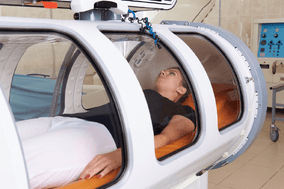
At City Osteopaths Concussion Recovery Clinic, we find that combining gentle osteopathic treatment with mild Hyperbaric Oxygen Therapy, quickly aids recovery from concussion symptoms.
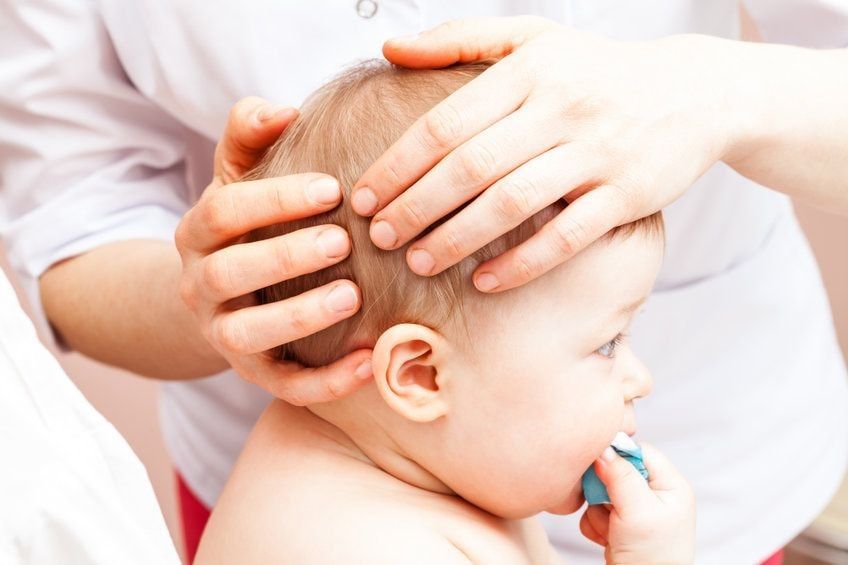
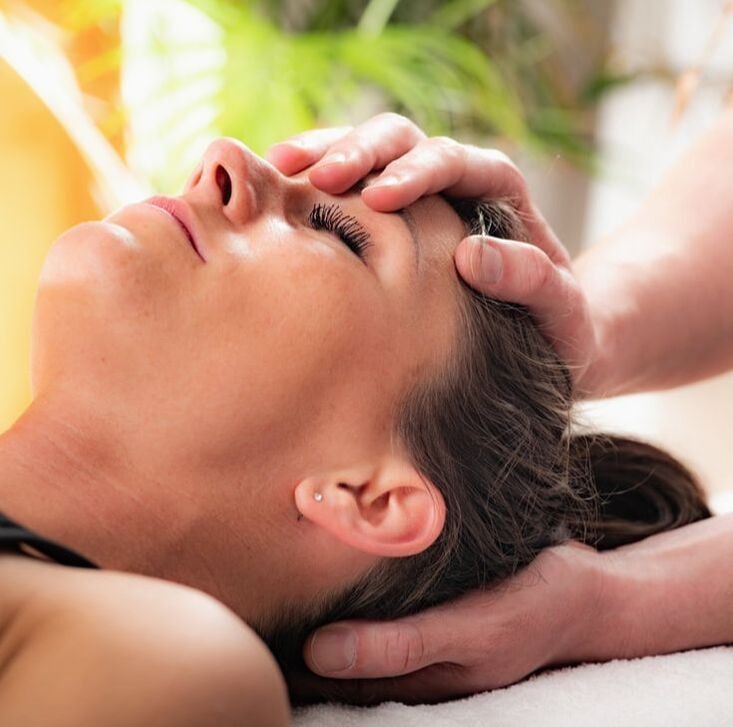
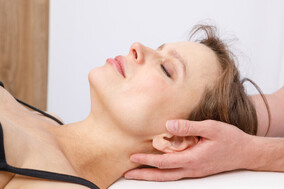
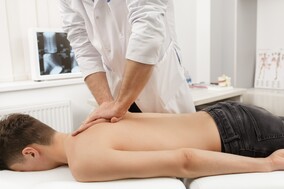
Through hands-on treatment of the muscles, fascia and nerves of the neck and upper back, and assisting normal tension of the membranes in the head, blood supply to, and drainage from the brain is improved. To ease concussion symptoms further, we use Hyperbaric Oxygen Therapy which increases oxygen supply to the brain, improving mitochondrial function and reducing swelling to further assist brain function.
Our mission at City Osteopaths is to provide the best and current evidence-based care for post-concussion treatment, so your recover faster and more fully.
If you cant find a suitable appointment online, then call or email our helpful front desk team.
Get in touch with us today to start your recovery journey.
Osteopathy
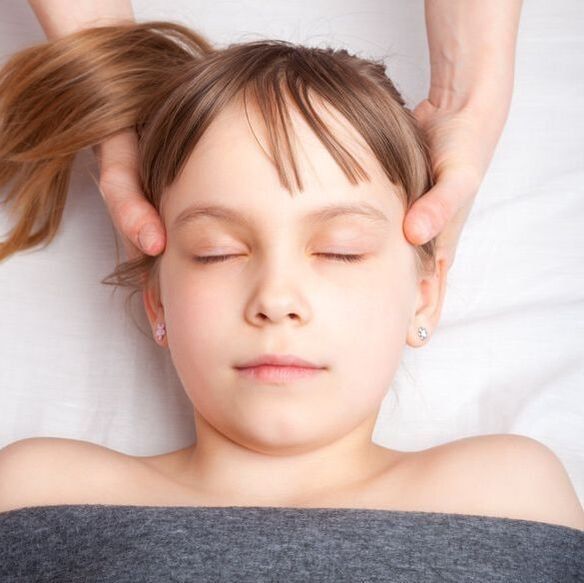
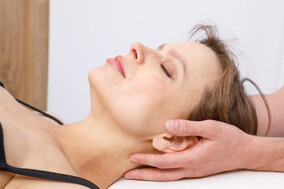
Some of our osteopaths practice structurally which is a direct osteopathic approach for clicking joints and releasing muscles. Some of our osteopaths practice a very gentle osteopathic approach, called Cranial or Biodynamic Osteopathy. This is a specialised diagnostic and treatment approach which requires many years of anatomical study and practice to develop highly effective skills. It can be a central factor in resolving head injury symptoms and works very quickly and comfortably for the patient.
The skilled hands-on approach provided by Osteopathy is essential to the proper management of concussion, as the membranes surrounding the brain, the fluids supporting the brain and the structures of the cervical spine are often contributing significantly to the impairments caused by concussion.
Using a gentle treatment approach is successful for all ages, we have helped many hundreds of children and adults recover fully, even years after a concussion.
To find out more about Osteopathy, click here.
RECENT RESEARCH INTO OSTEOPATHY AND CONCUSSION TREATMENT
1. Osteopathic manipulative treatment for concussions and postconcussive syndrome in athletes: a literature review
(Link: https://www.degruyter.com/document/doi/10.1515/jom-2022-0217/html)
Concussions are the most common type of traumatic brain injury (TBI) and can often occur in athletes. These injuries have many deleterious acute symptoms and can lead to the development of post concussive syndrome (PCS). Osteopathic manipulative treatment (OMT) is a treatment option that may benefit patients with concussions and PCS.
2. Resolution of Concussion Symptoms After Osteopathic Manipulative Treatment: A Case Report
(Link: https://www.degruyter.com/document/doi/10.7556/jaoa.2016.036/html)
A comprehensive approach to patients with concussions, including OMT, can potentially provide symptom relief, decrease recovery time, and improve patient outcomes. The current case provides justification for further research into the efficacy of OMT using objective, validated measures
3. Effectiveness of Osteopathic Manipulative Medicine vs Concussion Education in Treating Student Athletes With Acute Concussion Symptoms (Link: https://www.degruyter.com/document/doi/10.7556/jaoa.2020.099/html)
When used in the acute setting, OMM significantly decreased concussion symptom number and severity compared with concussion education. This study demonstrates that integration of OMM using a physical examination–guided, individualised approach is safe and effective in the management of new-onset symptoms of uncomplicated concussions.
4. Concussion Evaluation and Management: An Osteopathic Perspective(Link: https://www.degruyter.com/document/doi/10.7556/jaoa.2018.144/html)
Osteopathic manipulative treatment has been shown to yield significant improvement in symptoms associated with concussion, such as headache and vertigo.18,19 Additionally, craniosacral therapy and visceral and neural manipulation have produced significant improvement in pain, cervical range of motion, and memory in former professional football players
5. Safety of Osteopathic Cranial Manipulative Medicine as an Adjunct to Conventional Postconcussion Symptom Management: A Pilot Study (Link: https://www.degruyter.com/document/doi/10.7556/jaoa.2018.061/html)
Osteopathic cranial manipulative medicine was considered a safe adjunctive treatment option to improve concussion-related symptoms and recovery
6. Cranial Strain Patterns Associated With Concussions
(Link: https://www.degruyter.com/document/doi/10.7556/jaoa.2020.098/html)
Concussions are a common occurrence in college athletes, and treatment options are limited. Integration of OMT to treat cranial somatic dysfunctions can potentially help manage postconcussion symptoms.
Hyperbaric Oxygen Therapy
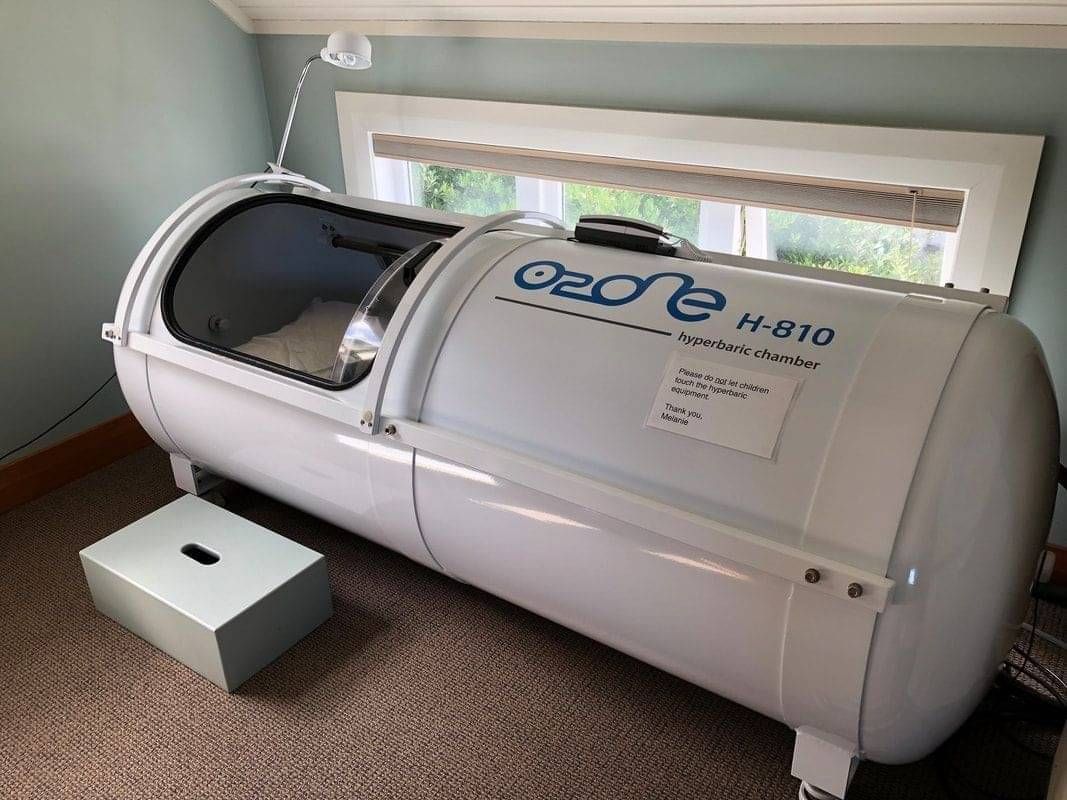
Mild Hyperbaric Oxygen Therapy (mHBOT) is a specialised therapy that uses an increase in atmospheric pressure and oxygen concentration. Here at Concussion Recovery, we found that gentle osteopathic treatment combined with mild Hyperbaric Oxygen Therapy (mHBOT) is very helpful in aiding recovery from concussion symptoms. It allows the body to incorporate more oxygen into the blood cells, blood plasma, central nervous system fluid, joint fluids and through all the tissues of your body, including discs and bone.
We have the most modern and comfortable hard-sided mild HBOT chambers available. All our Hyperbaric technicians are trained, experienced and skilled. At City Osteopaths and City Hyperbaric, we will work with your concussion care team to help you achieve optimal recovery.
To find out more about HBOT, click here.
RECENT RESEARCH INTO MHBOT AND POST CONCUSSION SYNDROME
1) Hyperbaric oxygen therapy for mild traumatic brain injury persistent postconcussion syndrome: a randomised controlled trial (Link: https://pubmed.ncbi.nlm.nih.gov/32189664/)
40 HBOTs at 150 kPa/60 minutes demonstrated statistically significant improvements in postconcussion and Post-Traumatic Stress Disorder symptoms, memory, cognitive functions, depression, anxiety, sleep, and quality of life in civilian and military subjects with mTBI/PPCS compared to controls. Using a randomised controlled crossover design with 2-month follow-up
2) The National Brain Injury, Rescue and Rehabilitation Study – a multicenter observational study of hyperbaric oxygen for mild traumatic brain injury with post-concussive symptoms. 2019. (Link: https://pubmed.ncbi.nlm.nih.gov/30950414/)
Subjects received 40–82 one-hour treatments at 1.5 atmospheres absolute 100% oxygen. Outcome measures included repeated self-assessment measures and automated neurocognitive tests. The subjects demonstrated improvement in 21 of 25 neurocognitive test measures observed. The objective neurocognitive test components showed improvement in 13 of 17 measures. Earlier administration of hyperbaric oxygen post injury, younger age at the time of injury and hyperbaric oxygen administration, military status, and increased number of hyperbaric oxygen administrations were characteristics associated with improved outcomes. There were no adverse events. Hyperbaric oxygen was found to be safe, inexpensive and worthy of clinical application in the 21st Century model of facile data collection provided by recent research regulatory shifts in medicine.
3) Hyperbaric oxygen therapy for traumatic brain injury: bench-to-bedside
- Medical Gas Research 2016 (Link: https://www.ncbi.nlm.nih.gov/pmc/articles/PMC5110132/)
Conclusion: Summary of the research results of HBOT in experimental and clinical TBI. Mild HBOT at 1.5ATA showed positive improvements in cranial blood flow, alleviation of post concussion symptoms and reduced mortality.
4) “Hyperbaric Oxygen Therapy can improve Post Concussion Syndrome years after Mild Traumatic Brain Injury – Randomised Prospective Trial” (Link: www.ncbi.nlm.nih.gov/pubmed/24260334)
—PLoS One November 2013 10.137/journal.pone 0079995
Conclusion: Convincing results based on a crossover study, demonstrating that HBOT can induce neuroplasticity and significant brain function improvement in mild TBI patients with prolonged Post-Concussion-Syndrome at late chronic stage, even years after injury.
The findings here bear the promise that HBOT can be effective in treating other brain impairments like PTSD or repairing radiation damage. It is reasonable to expect that HBOT can help slow down or even reverse metabolic disorders associated with neurodegenerative diseases.
5) Hyperbaric Oxygen Therapy Can Improve Post Concussion Syndrome Years after Mild Traumatic Brain Injury - Randomized Prospective Trial (Link: https://journals.plos.org/plosone/article?id=10.1371/journal.pone.0079995)
‘A prospective, randomised and controlled cross over study of the effect of HBOT with 100% oxygen at 1.5Atm on mTBI patients at late chronic stage. The results clearly demonstrate that HBOT can induce neuroplasticity and significant brain function improvement in mild TBI patients with prolonged Post-Concussion-Syndrome at late chronic stage, years after brain injury. '
6) Hyperbaric oxygen therapy for post concussion symptoms: issues may affect the results (Link: https://medicalgasresearch.biomedcentral.com/articles/10.1186/s13618-015-0033-3)
'HBOT has showed great potential in neuroprotection and neurogenesis'
7) A Phase I Study of Low-Pressure Hyperbaric Oxygen Therapy for Blast-Induced Post-Concussion Syndrome and Post-Traumatic Stress Disorder (Link: https://www.liebertpub.com/doi/full/10.1089/neu.2011.1895)
‘...subjects achieved a 30% reduction in PTSD scores in a 30-day period’
8) Hyperbaric oxygen therapy ameliorates the symptoms of post-concussion syndrome by inhibiting MMP-9 activity: a randomized controlled trial in Indonesia [version 1; peer review: 2 not approved] (Link: https://f1000research.com/articles/10-501#article-comments)
‘Conclusion: HBOT effectively relieves the symptoms associated with post-concussion syndrome through a mechanism that involves repressing MMP-9 activity’.
9) Hyperbaric oxygen may induce angiogenesis in patients suffering from prolonged post-concussion syndrome due to traumatic brain injury (Link: https://content.iospress.com/articles/restorative-neurology-and-neuroscience/rnn150585)
Conclusion: HBOT may induce cerebral angiogenesis, which improves perfusion to the chronic damaged brain tissue even months to years after the injury.
10) Case control study: hyperbaric oxygen treatment of mild traumatic brain injury persistent post-concussion syndrome and post-traumatic stress disorder (Link: https://www.ncbi.nlm.nih.gov/pmc/articles/PMC5674654/)
'Subjects experienced significant improvements in PPCS and PTSD symptoms, physical exam abnormalities, cognition, depression, anxiety, quality of life, and brain blood flow that cannot be explained with non-treatment effects; they are more consistent with the known wound-healing effects of HBOT on the diffuse cerebral microscopic wounds of TBI. Moreover, symptomatic improvements increased further during the 6-month post-treatment period. Compared to the matched Controls, TBI/PTSD subjects' brain blood flow was abnormal, but became visually more normal and statistically near-indistinguishable from Controls after 1 and 40 HBOTs. The main blood flow abnormalities and changes in blood flow after HBOT were in the white matter, the primary site of injury in mTBI. Simultaneously and most importantly, subjects experienced a significant reduction in suicidal ideation and anxiety...'
11) Hyperbaric oxygen therapy for the treatment of traumatic brain injury: a meta-analysis
(Link: https://link.springer.com/article/10.1007/s10072-015-2460-2)
Meta analysis: The results of eight studies (average age of patients, 23–41 years) reveal a higher post-treatment GCS score in the HBOT group (pooled difference in means = 3.13, 95 % CI 2.34–3.92, P < 0.001), in addition to greater improvement in GOS and lower mortality, as compared to the control group
12) Impact of Hyperbaric Oxygen Therapy on Cognitive Functions: a Systematic Review
(Link: https://link.springer.com/article/10.1007/s11065-021-09500-9#Sec10)
'HBOT is believed to diminish neuroinflammatory responses, blood–brain barrier permeability and apoptosis while positively impacting neurogenesis, neuronal and axonal integrity and synaptogenesis (reviewed by Daly et al., 2018; Fischer et al., 2010). All of these effects may potentially influence patients’ cognitive functioning.'
13) All the right moves: the need for the timely use of hyperbaric oxygen therapy for treating TBI/CTE/PTSD
(Link: https://link.springer.com/article/10.1186/s13618-015-0028-0)
14) Hyperbaric oxygen therapy as a potential treatment for post-traumatic stress disorder associated with traumatic brain injury.
(Link: https://psycnet.apa.org/record/2016-51984-001)
'HBOT has been shown to reduce apoptosis, upregulate growth factors, promote antioxidant levels, and inhibit inflammatory cytokines in animal models, and hence, it is likely that HBOT could be advantageous in treating at least the secondary phase of TBI and PTSD.’
15) Evidence Brief: Hyperbaric Oxygen Therapy (HBOT) for Traumatic Brain Injury and/or Post-traumatic Stress Disorder
(Link: https://www.ncbi.nlm.nih.gov/books/NBK499535/)
'In case series of TBI and/or PTSD populations, HBOT, mostly at 1.5 ATA, has statistically significantly improved cerebral blood flow and mean scores on post-concussion symptoms (PCS), PTSD, depression, and anxiety symptom checklists, as well as cognitive functioning and quality of life.'
Brain Gauge Test
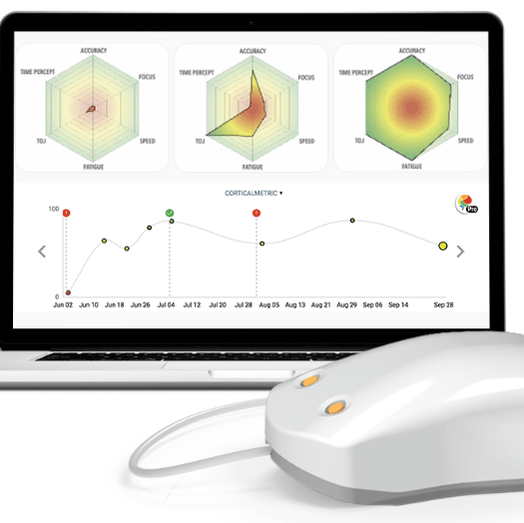
The brain gauge is a cognitive assessment tool that measures and monitors brain health by testing sensory perception at your fingertips using what looks like a computer mouse. The device is backed by clinically validated science and patented technology. Brain Gauge lets you test eight essential components of brain health: Speed, Focus, Fatigue, Accuracy, Sequencing, Timing Perception, Plasticity, and Connectivity, and gives you a comprehensive mental fitness score (called the “cortical metric”).
It is a safe and non-invasive method and only takes 15 minutes. The powerful analytics and clear results can establish a baseline and then monitor how your brain responds to your diet, supplements, medications, and IASIS treatments, allowing you to work toward optimal brain function. It’s best if you can get a baseline immediately after a head injury, before starting IASIS MCN treatment, and before implementing a nutritional plan or supplementation. Then a repeat assessment can be done to measure progress so adjustments can be made accordingly.
Our Concussion Resources / Articles



Why City Osteopaths in Wellington?
City Osteopaths is committed to providing compassionate, effective care for concussion recovery. Here’s why our clients trust us for their recovery journey:
✓ Customised Care
✓ Experienced Practitioners
✓ Convenient Central Location
What are the delayed symptoms of a concussion?
Delayed symptoms can include fatigue, sleep disturbances, memory issues, and mood changes, appearing hours or days after the injury.
How long does it take to recover from a concussion?
Recovery time varies depending on the severity of the injury. Some individuals recover within a few weeks, while others may experience symptoms for months.
What is post-concussive disorder?
Post-concussive disorder refers to persistent symptoms following a concussion, such as headaches, dizziness, and difficulty concentrating, lasting weeks or months after the initial injury.